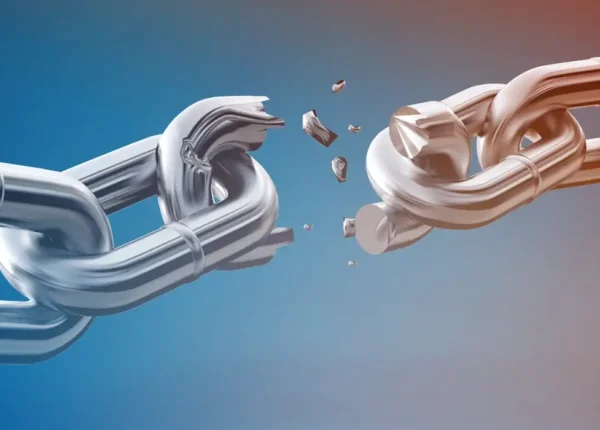
Why fashion brands need stronger control in a volatile market
Fashion brands are facing constant disruption. Geopolitical instability, rising costs, sourcing delays, and shifting consumer demand are creating pressure across the entire fashion supply chain. At the same time, brands are adopting new digital tools and AI technologies at a rapid pace. While these innovations can improve speed and efficiency, they can also increase complexity when teams disconnect systems and workflows.
This is why Product Lifecycle Management (PLM), has become more important than ever. PLM is no longer just a tool for product data. It's the operational foundation that helps brands improve supply chain visibility, manage disruption, and respond faster to change.
Disruption Is Now Part of the Fashion Industry
For many years, disruption was treated as an occasional challenge. Today, it is part of everyday business operations. Trade tensions, tariffs, regional conflict, and raw material shortages can quickly impact sourcing strategies, production schedules, and margins.
Consumer expectations are also changing faster than ever. Fashion brands must move quickly while maintaining product quality, controlling costs, and reducing risk. This creates growing pressure on design, sourcing, merchandising, and supply chain teams.
At the same time, many businesses are introducing AI and new digital technologies into already fragmented workflows. Without a connected system in place, brands often create more disconnected data, duplicated processes, and communication gaps.
Why PLM Matters in an Uncertain Market
PLM gives fashion brands a centralized system for managing product development and sourcing workflows. It connects teams, suppliers, and product data into one shared environment.
This creates a single source of truth across the fashion supply chain. Teams can quickly access product specifications, material details, supplier information, approvals, and development updates in one place.
When disruption occurs, speed and visibility become critical. Brands that can react quickly are the ones with better operational control. PLM helps teams identify affected products, involved suppliers, and the next required changes.
Instead of using spreadsheets, email threads, and manual updates, teams can manage decisions with structured workflows and linked data.
Managing Supply Chain Disruption with Better Visibility
Supply chain disruption creates ripple effects across the business. Delays in one region can affect factory capacity, material availability, transportation costs, lead times, and compliance requirements somewhere else.
Without proper systems, teams often struggle to respond quickly. Multiple files and departments scatter product information. Communication slows down. Errors increase.
PLM improves supply chain visibility by centralizing materials, supplier data, product specifications, and sourcing information. This helps brands review other suppliers. It also lets them update product details. They can share changes faster across design, sourcing, development, and production teams.
In a volatile market, visibility and speed are major competitive advantages.
How Fashion Sourcing Software Supports Better Decisions
Modern fashion sourcing software must do more than manage vendor lists. Brands need tools that improve collaboration, support faster approvals, and provide visibility into supplier performance and sourcing risks.
PLM helps support these goals by connecting sourcing processes directly to product development workflows. Teams can manage supplier communication, material approvals, costing, compliance, and sourcing decisions within one connected platform.
This reduces manual work and improves decision-making across the business.
Better sourcing visibility also helps brands improve margin control. Teams can react faster to cost increases, supplier issues, and production delays before they become larger operational problems.
Why PLM Is the Right Foundation for AI
AI is becoming one of the biggest trends in fashion technology. Brands are exploring AI for design ideation, forecasting, merchandising, compliance management, and workflow automation.
However, AI is only effective when supported by structured data and connected workflows.
Many companies make the mistake of adding AI tools into fragmented systems without fixing the underlying operational challenges first. This often creates more disconnected outputs and inconsistent product information.
PLM provides the structure that AI needs to deliver real business value. It creates standardized workflows, centralized product data, and governance across the organization.
This allows AI technologies to operate within a connected business environment instead of adding more complexity.
PLM Creates Stability Across the Enterprise
PLM is not just another software system. It acts as the stabilizing layer across the business.
Design teams can work faster with better product visibility. Product development teams can reduce errors and rework. Sourcing teams can respond more effectively to supplier disruption. Merchandising teams can make better decisions with accurate product data.
Most importantly, leadership teams gain greater confidence because the organization operates from one version of the truth.
The Future of the Fashion Supply Chain
The fashion industry is not becoming less complex. Supply chains will continue to face disruption. Economic pressure will continue to challenge margins. AI will continue to reshape how brands operate.
The companies that succeed will not simply have more technology. They will have better control over product information, sourcing workflows, and supply chain operations.
That is why PLM has become essential for modern fashion brands. It boosts supply chain visibility, helps manage supply chain disruption, and builds a stronger base for long-term growth.
-
Transform Supplier Collaboration with a Vendor Portal
Transform supplier collaboration by centralizing communication, streamlining workflows, and building strategic partnerships that drive speed, quality, and sustainability.
October 24, 2025 -
Digital Planning Boards: Visual Tools for Design/Development
Digital Planning Boards offer a centralized, visual workspace built for the fashion, apparel, and footwear industries.
August 5, 2025 -
Textile Solutions Group Digital Backbone Explained
Textile Solutions Group connects PLM, ERP, MES, and CAD to unify apparel and textile workflows, improving visibility, speed, and production...
April 21, 2026