PLM for Accessory Brands | Eyewear, Jewelry, Handbags
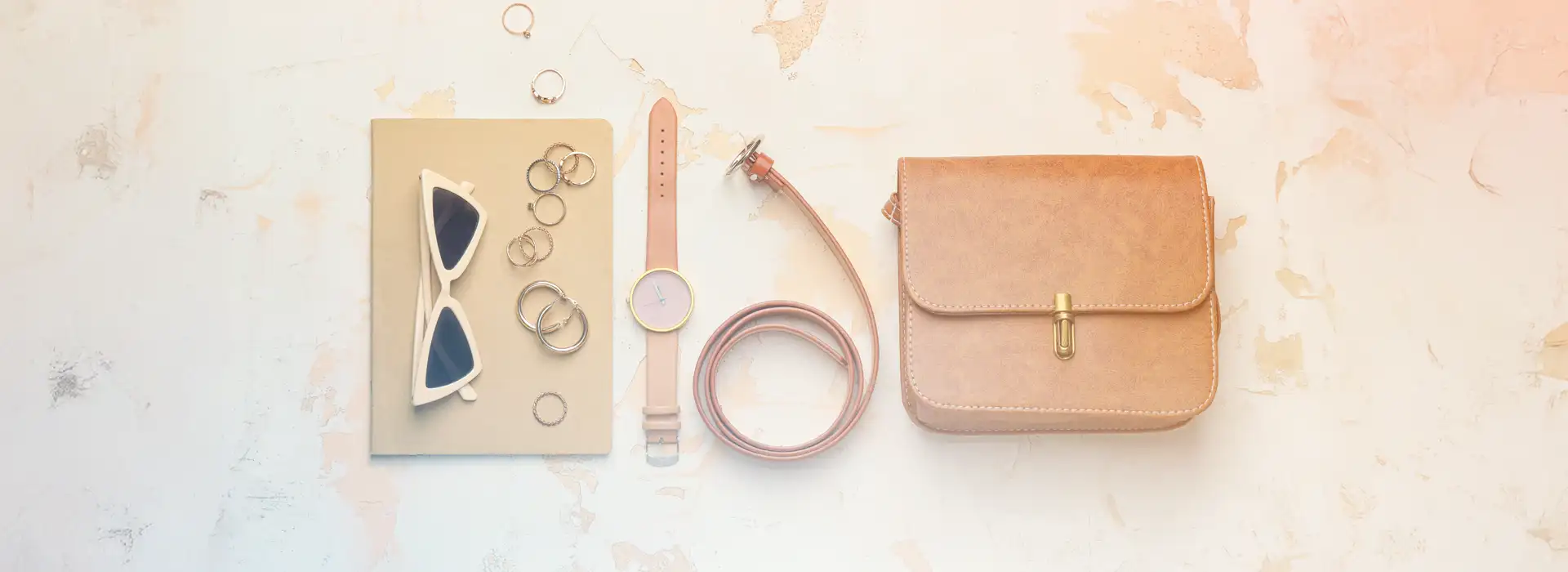
PLM for Accessory Brands | Eyewear, Jewelry, Handbags

PLM Software for Accessory Brands, Built for Speed and Accuracy

Accessory brands operate in one of the most detail-driven areas of fashion. Eyewear, jewelry, and handbags all share a common challenge. Complex product data, fast-moving seasons, and increasing pressure to deliver accurate, compliant products faster. As collections grow and supply chains become more global, many accessory brands find that spreadsheets and disconnected tools no longer scale.

This is why more brands are evaluating PLM software for accessory brands. Product Lifecycle Management platforms centralize product data, streamline collaboration, and create a single source of truth from design through production. For accessory brands, PLM is no longer just a system of record. It is a foundation for speed, consistency, and control.

Why PLM Matters for Fashion Accessories

Accessories may be smaller than apparel, but they are rarely simpler. A single product can involve multiple materials, finishes, colorways, and suppliers. Managing this manually leads to errors, rework, and delays.

PLM for fashion accessories helps teams manage product development in a structured, repeatable way. Core benefits include centralized specifications, real-time collaboration, version control, and improved visibility across teams. Designers, developers, sourcing teams, and suppliers work from the same data, reducing miscommunication and costly mistakes.

For growing brands, PLM also supports scalability. As assortments expand and new categories are introduced, workflows remain consistent instead of becoming more complex.

Accessories

PLM for Eyewear Brands, Precision at Every Stage

Eyewear brands face unique technical demands. Frames involve detailed measurements, material tolerances, and regulatory considerations. Managing these requirements across multiple styles and collections can quickly become overwhelming without the right system.

PLM for eyewear brands enables teams to capture precise product specifications, manage frame components, track color and material variations, and maintain accurate BOMs. Changes are logged and shared instantly, ensuring that design intent is preserved through development and production.

PLM also supports supplier collaboration, which is critical in eyewear manufacturing. Vendors can access up-to-date specs and approvals, reducing sampling cycles and production delays. For brands focused on quality and consistency, PLM becomes an essential operational tool.

PLM for Jewelry Brands, Managing Complexity and Variants

Jewelry collections often involve high product variation. Small design changes can impact materials, cost, and production timelines. Metals, gemstones, finishes, and sizing all add layers of complexity.

PLM for jewelry brands and dedicated jewelry product development software allow teams to manage these variables in a structured way. Product data is stored centrally, making it easier to track variants, manage costing, and ensure consistency across collections.

PLM also supports traceability, which is increasingly important for jewelry brands. From material sourcing to finished goods, brands gain better visibility into their supply chain. This not only improves internal efficiency but also supports transparency and compliance initiatives.

PLM for Handbags, From Materials to Market

Handbags and leather goods rely heavily on material management. Leathers, textiles, trims, hardware, and finishes all need to be tracked accurately. Managing this data across multiple suppliers is a common challenge.

PLM for handbags and handbag product development software help brands control material libraries, manage color approvals, and maintain accurate product specifications. Teams can track development milestones, manage sampling workflows, and align sourcing decisions with design intent.

For handbag brands focused on speed to market, PLM reduces development cycles by improving communication and minimizing errors. It also supports sustainability goals by reducing over-sampling and improving material usage planning.

A Unified Approach Across Accessory Categories

While eyewear, jewelry, and handbags each have distinct needs, they benefit from a shared PLM foundation. A flexible PLM platform supports category-specific workflows while maintaining consistent data structures across the business. Accessory brands using PLM gain clearer visibility into product development, improved collaboration with suppliers, and greater confidence in their data. As collections become more complex and market demands accelerate, PLM enables teams to stay agile without sacrificing accuracy.

Final Thoughts

Accessory brands are no longer asking if they need PLM. They are asking when. Whether developing eyewear, jewelry, or handbags, product development software built for fashion enables brands to move faster, reduce risk, and scale with confidence.

For accessory brands looking to modernize product development, PLM provides the structure and flexibility needed to compete in today’s market and prepare for what comes next.

You May Also Like
Scroll